How I Help Clients Stop Overthinking Their Relationships

Why Overthinking Is So Common in Relationships
As an OCD therapist, I teach clients all the time how to reduce overthinking, often called rumination. I have written many blogs about rumination because it is such a huge part of what keeps us stuck in OCD and anxiety cycles. Today, I am going to talk more about how I specifically help clients struggling with overthinking in their relationships. Whether that is due to OCD, relationship anxiety, or both, as they often occur together.

What is Relationship OCD (ROCD) and Relationship Anxiety?
Just a quick recap of things I have previously written. Relationship OCD (ROCD) is often marked by obsessions related to trying to figure out if you are in the right relationship, if your partner is the perfect person for you, or if you are being the perfect or most honest partner. These obsessions are accompanied by compulsions, which are often rumination (overthinking), reassurance seeking, confessing, or checking compulsions (such as checking your emotions or feelings of attraction). This is a very brief overview of ROCD. So, I encourage you to read my blogs about ROCD if you want to learn more.
Relationship anxiety is usually caused by attachment injuries. Attachment injuries occur when we have experienced inconsistent care and support in past relationships or from our family of origin. This past relational inconsistency can make it difficult to trust our partners, make it hard to be vulnerable out of fear of being hurt, and, in general, make it feel really difficult to directly communicate our needs and feelings because of that same fear of being hurt again. Again, this is an incredibly brief description of relationship anxiety. There are entire books written on this subject, so please keep that in mind.
When ROCD & Anxiety Overlap
ROCD and relationship anxiety often (or usually) come together. OCD often latches onto difficult things we have experienced that also mean a lot to us. And many people have experienced relationship challenges, while almost everyone finds romantic partnership extremely important. Therefore, it’s not too surprising that OCD and relationship anxiety are often paired together. Although they are different and can require different approaches, the one thing that ROCD and relationship anxiety have in common is relentless overthinking.
How I Help Clients Reduce Relationship Overthinking
Whether a client comes in wanting help with ROCD or relationship anxiety, we are going to work on reducing overthinking. So, what does this look like?
I have described in my blogs many ways to stop overthinking, again often referred to as rumination. But in this post, I am going to discuss something I haven’t talked about as much, and that is communication as a way to reduce overthinking in relationships. Sometimes, when we are overthinking, we get lost in our minds analyzing the relationship when we could instead be communicating directly with our partners.
When Communication Helps-and When It Becomes a Compulsion
This does get a little tricky with ROCD because we don’t want to get lost in a pattern of compulsively confessing to our partners, and it’s also generally unhelpful to tell your partner the details of your obsessions. For example, let’s say you’re ruminating about whether your partner is compatible with you because you don’t particularly like the shoes they’re wearing, you’re now feeling guilty for having that thought, and your mind is telling you that you should confess it to them because if you don’t, it means you’re not being honest about your feelings. Does this train of thought sound familiar?
If so, you might be dealing with ROCD. In this case, we wouldn’t want to share any of these thoughts with your partner because you probably really love your partner even if you don’t like their shoes. Telling them this train of thought is probably going to confuse them. Also, confessing it to them will likely leave you feeling like you have to confess more and more, which will likely stress both you and your partner out.

Replacing Rumination With Healthy Communication
So when I say communication helps reduce overthinking with ROCD, I am not referring to compulsively communicating like I just described. Instead, let’s say your OCD gets triggered by something less benign than shoe style, like communication throughout the day. Let’s say your partner texts you throughout the day with details about their workday, and although you care about how they’re doing, it feels like too much while you’re at work. It’s not that you don’t want to check in throughout the day, but let’s say you have a demanding job that needs your full attention, and it feels overstimulating to have your partner messaging you every hour or two while also feeling like you have to respond.
Now let’s say ROCD latches onto this concern, and you’re wondering what this will be like five years from now. You’re wondering if something is wrong with them. Are they actually super clingy, and you just missed it? You’re now reflecting on the relationship, trying to figure out whether they’re clingy and checking to see if you overlooked it in the excitement of early dating. You’re wondering if this is the wrong relationship or the wrong partner for you because of this texting.
Communicating Instead of Trying to Figure It All Out
In this scenario, I would gently encourage the client to communicate their needs and feelings about texting with their partner instead of ruminating and trying to figure out if this is the right relationship. I would encourage this hypothetical client to get information about what makes their partner text this much before assuming it means something is wrong with them. Then, based on this information, they can make decisions with their partner about how to move forward.
I will discuss more about how direct communication with your partner can replace rumination in relationships in my next post, so stay tuned.

OCD Therapy for Relationship Overthinking in Boston, MA & San Diego, CA
If you’re struggling with relationship overthinking, it can be difficult to know whether you’re dealing with relationship OCD, relationship anxiety, or some combination of the two. You might spend hours analyzing your feelings, your partner’s behavior, or where your relationship is headed, only to end up with more questions than answers.
At Jen Lescher, LCSW, I work with adults experiencing ROCD, relationship anxiety, rumination, and other forms of OCD and anxiety that can make relationships feel much harder than they need to be. In therapy, we can work on understanding what’s keeping you stuck in the cycle of overthinking while also building your ability to communicate directly, trust yourself, and stay present in your relationships.
I offer online OCD therapy and relationship anxiety therapy in Boston, MA and San Diego, CA, so you can access specialized support from wherever you feel most comfortable. Whether you’re constantly questioning your relationship, analyzing your feelings for your partner, or struggling to trust yourself, therapy can help you develop a different relationship with those thoughts and fears.
Learning to Respond Differently to Relationship Anxiety and ROCD
If you want to learn more about how to reduce overthinking and improve your relationships, you can contact me through the link below to schedule a free consultation. I would love to talk with you!
- Schedule a free 15-minute intro call. We can talk about what you’re experiencing and see if we’d be a good fit.
- Tell me what’s been keeping you stuck. This might be relationship overthinking, ROCD, anxiety, rumination, or something else entirely.
- Start learning new ways to respond. In therapy, we’ll work toward helping you step out of the cycle of analyzing and become more present in your relationship and your life.
Additional Services Offered in Boston, MA & San Diego, CA
Along with one-on-one OCD therapy, I also offer supportive resources that address challenges many clients face outside of sessions. On the Common subtypes page, you can explore detailed insights into recurring thoughts and behaviors. The relationships page offers guidance for managing friendships, dating, and relationships while living with OCD and anxiety.
About OCD Therapist Jen:
Hi, I’m Jen.
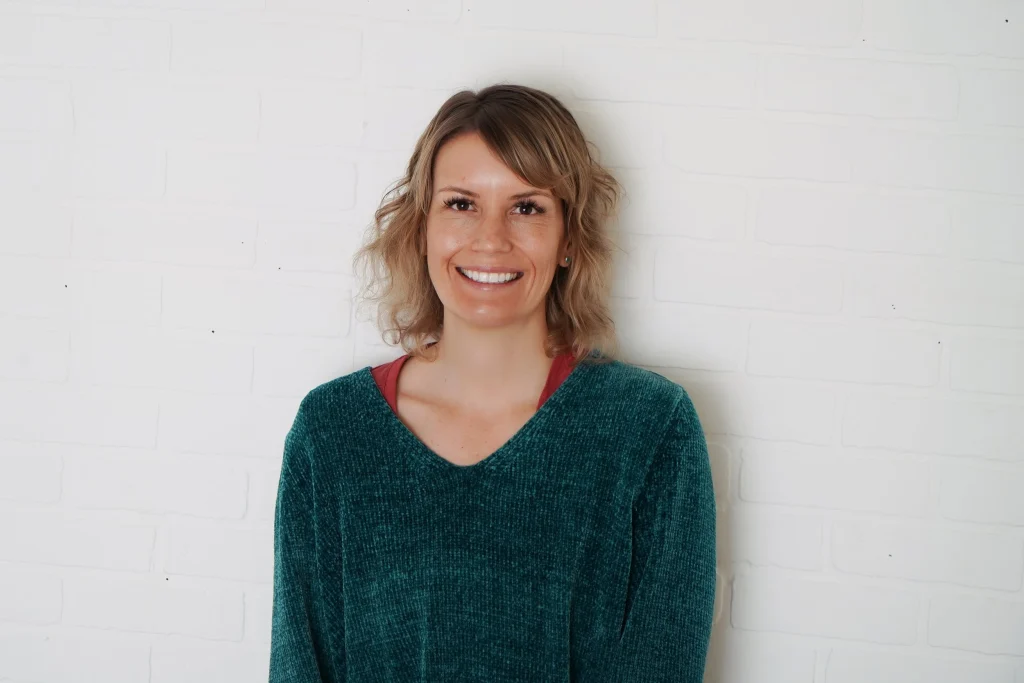
I’m a therapist, coffee enthusiast (honestly, it’s my favorite time of the day), and a big believer in finding small moments of presence-whether that’s through mindfulness, photography, or a quiet walk with my camera in hand. Photography helps me stay grounded and see the world with a little more curiosity, and that same mindset shows up in my work with clients. I’ve been drawn to spirituality and healing work since I was a teenager, exploring everything from meditation to energy practices. But I’m also someone who loves blasting music in the car and getting lost in a true crime podcast. I think healing can include both stillness and movement, reflection and laughter. Therapy should have room for all of that. Since 2007, I’ve worked in a range of mental health settings, which taught me that healing isn’t one-size-fits-all. It’s personal, evolving, and sometimes messy-but always possible.
Training & Background:
Inference-Based CBT (ICBT) for OCD – The OCD Training School & The Cognitive Behavioral Institute
Certified in Exposure and Response Prevention (ERP) – The Cognitive Behavioral Institute
Gottman Method Couples Therapy – Level 1
Master’s in Social Work – Portland State University, 2012